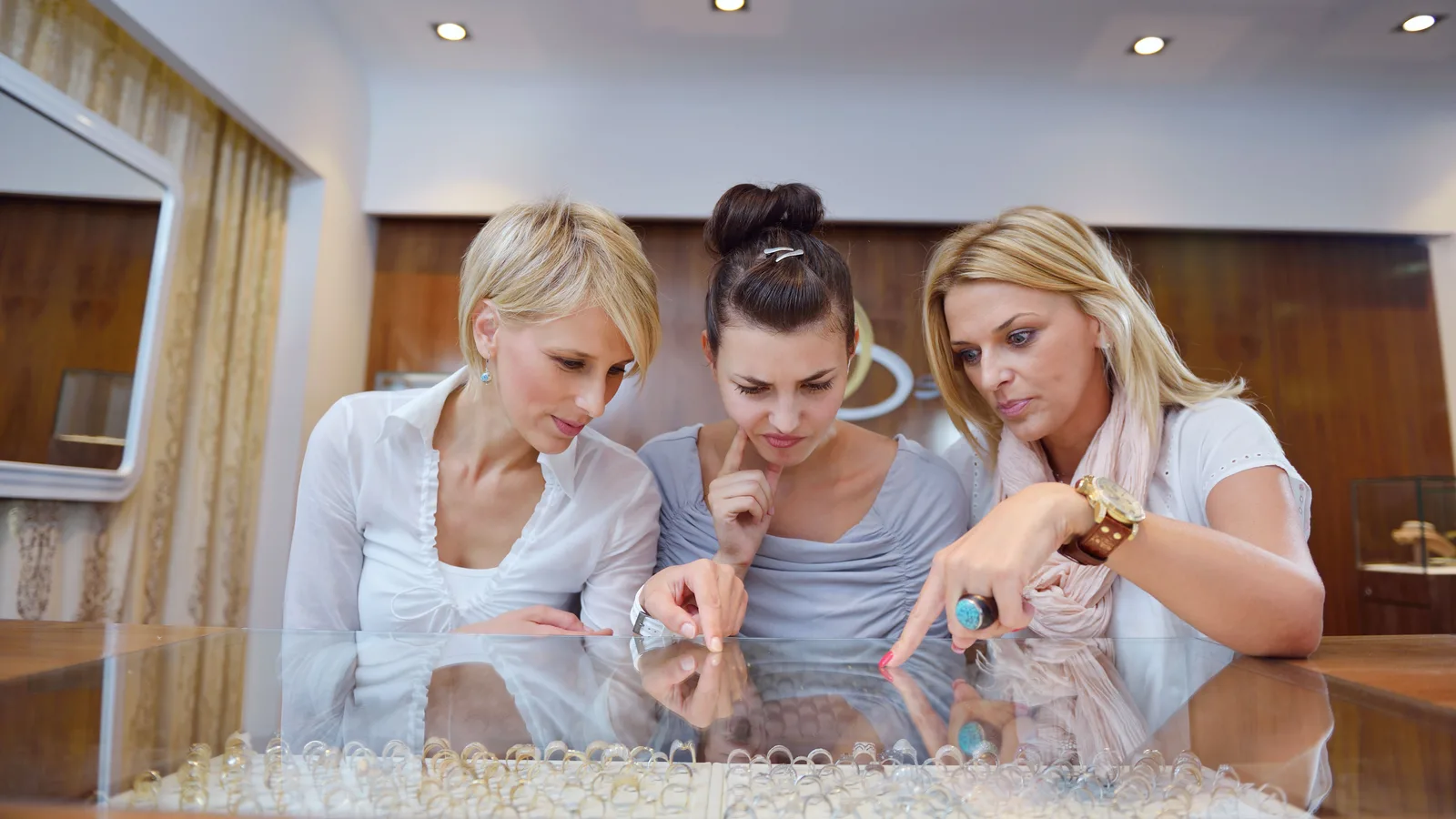
Pandora Review 2026: Is It Worth It for Everyday Silver?
A clear-eyed Pandora review for UK shoppers: how the charm system works, how the metals wear, what it's worth and who should buy it.
What Pandora is, and who it suits
Pandora is the Danish jewellery brand that turned the charm bracelet into a mainstream habit. Founded in Copenhagen in 1982, it built its reputation on a simple idea: buy one bracelet, then mark birthdays, births, holidays and milestones by adding charms to it over the years. That collecting mechanic is still the heart of the brand, and it's the reason people either fall hard for Pandora or can't quite see the point.
The range goes well beyond charms. There are bracelets, bangles and link chains, rings, necklaces, pendants and earrings, plus a wide spread of stones — cubic zirconia, crystals, glass and enamel, with lab-grown diamonds on selected pieces. Metals cover sterling silver, gold-plated and rose-gold-plated finishes, and a small number of pieces in solid gold at the top of the range.
In the UK, Pandora sits in a very specific gap: more personal and better finished than cheap costume jewellery, far more affordable than a fine jeweller. It's what people reach for when they want something that feels like a proper present without a fine-jewellery budget, or a piece with a story attached to it rather than another pair of earrings.
- Brand origin
- Denmark, founded in Copenhagen in 1982
- Signature format
- Charm bracelets with clip-on charms, built up over time
- Core metals
- Sterling silver, gold-plated and rose-gold-plated finishes, selected solid gold pieces
- Stones and detail
- Cubic zirconia, crystals, glass, enamel and lab-grown diamonds on selected designs
- Range
- Bracelets, charms, rings, necklaces, pendants and earrings
- Where to buy
- Pandora stores, the official site and authorised stockists
- Gifting
- Boxed as standard and easy to add to later
- Care
- Keep away from water, perfume and chlorine; store in a pouch
The verdict: 4 out of 5
What Pandora gets right — and where it stumbles
What Pandora gets right
- The charm system is genuinely personal: a bracelet you build over years reads as a story rather than a purchase.
- Presentation and finish feel considered for the price band, and pieces arrive gift-ready — which is half the point.
- The range is enormous, covering a teenager's first piece, a christening, an anniversary or a colleague's leaving gift.
- Silver and plated pieces mix easily, and most designs work with everyday clothes rather than being occasion-only.
- Straightforward sizing on bracelets and rings makes adding to a collection a year later simple.
Where it falls short
- Collecting is the business model. One charm rarely feels like enough, so the real cost is the bracelet plus several charms.
- Gold-toned and rose-toned ranges are plated, and high-friction areas such as the clasp and charm threads can dull with wear.
- Sterling silver tarnishes, particularly in a steamy bathroom or alongside perfume, so it needs a cloth and a pouch.
- Seasonal collections come and go, and a discontinued charm can be difficult to replace a year later.
- Resale value is close to nil compared with solid-gold fine jewellery.
How it scores on the things that matter
Judged as everyday jewellery rather than as an investment, Pandora is strong on design, choice and gifting, and weaker on materials and upkeep. The scores below reflect how the brand performs for a typical UK buyer rather than the handful of solid-gold pieces at the top of the range.
- Design and everyday wearability
- 4.5/5
- Charms and classics alike are easy to style; the look leans everyday rather than occasion-only.
- Materials and finish
- 3.5/5
- Sterling silver is the backbone. Plated gold tones are the weak spot if you wear a piece daily.
- Value for money
- 3.5/5
- Fair piece by piece, but the collecting model adds up faster than most people budget for.
- Gifting and personalisation
- 4.5/5
- Boxed, occasion-ready and easy to add to later — the strongest single reason to buy.
- Durability and care demands
- 3.0/5
- Silver tarnishes and plating wears. This is jewellery you look after, not wear to the gym.
- Range and choice
- 4.5/5
- Hundreds of designs across charms, rings, necklaces and earrings, refreshed constantly.
Silver or plated: choosing the right finish
Most of the range falls into two camps, and picking the wrong one for your habits is the most common reason people end up disappointed. If a piece will live on your wrist every day, sterling silver is the safer buy; if it's for evenings, weddings and Christmas Day, a plated gold tone gives you the look for less and will stay sharp with light wear.
What to expect
Sterling silver
- Look
- Cool, bright white metal that polishes back to a shine
- Everyday durability
- Darkens over time but can be brought back with a polishing cloth
- Water and perfume
- Remove before showering, swimming or applying lotion
- Best suited to
- Charm bracelets and pieces worn several times a week
- Care routine
- Silver polishing cloth, then an airtight pouch
Gold- and rose-plated
- Look
- Warm gold or blush tone sitting on the surface of the metal
- Everyday durability
- Wears at high-friction points, and the colour can't be restored at home
- Water and perfume
- Remove before water, perfume and anything oily
- Best suited to
- Occasion pieces and warm-toned stacking
- Care routine
- Dry soft cloth only; skip abrasive polishes
The charm system, and how the cost creeps up
The clever part of Pandora is also the expensive part. A bracelet on its own is a plain band; it only becomes the thing you wanted once three or four charms are on it. Because charms are bought one at a time, usually as gifts, the total rarely gets added up — which is exactly why the brand works and why it's worth going in with a plan.
A few things worth knowing before you start:
- Charms are designed for Pandora's own bracelets and threading, so they won't sit properly on another brand's chain.
- Charm styles range from tiny enamelled pieces to dangle charms with stones, and mixing scales usually looks better than a row of identical sizes.
- Clip charms help hold sections in place on a fuller bracelet, which matters once you pass six or seven charms.
- Seasonal and limited designs disappear; if a specific charm is the whole point of the gift, buy it when you see it.
Buying advice: build a piece you'll still wear in five years
1. Choose the piece before the charms
Pick a bracelet, bangle or ring you'd happily wear plain. If you don't like the band on its own, you won't love it loaded with charms either.
2. Match the metal to your habits
Daily wear points to sterling silver. If the piece will come out for dinners and holidays, a plated gold or rose tone is fine and looks richer for the money.
3. Get the bracelet length right
Measure your wrist and leave a little extra room for charms — a band that fits snugly won't take more than a couple comfortably. Try one on in store if you can, especially for a gift.
4. Buy charms to a rhythm
One charm per birthday, trip or milestone keeps the cost spread out and makes the bracelet mean something. Buying five at once empties your wallet and flattens the story.
5. Keep the receipt and the box
Proof of purchase matters if a clasp fails or a stone comes loose, and the original pouch is the best storage you'll get for silver.
6. Be strict about seasonal collections
Limited designs are designed to be tempting. If a charm doesn't mark an occasion or fill a gap you'd already noticed, leave it.
Who should buy Pandora — and who should skip it
Buy it if you like the idea of jewellery that accumulates meaning. Pandora is at its best when the piece is tied to a person or an occasion: a christening bracelet, a charm for a first job, a retirement gift that colleagues add to. It's also a good route into 'proper' jewellery for someone who isn't ready for a fine-jewellery price, and the styling is forgiving enough that a silver bracelet works with a jumper and jeans on a Tuesday.
Skip it if you want a single object of value. Nothing in the plated or silver ranges will hold its worth, and the finish on gold-toned pieces has a shelf life if you never take them off. It's also the wrong buy if you dislike maintenance — silver needs a cloth and a pouch, and a bracelet left in a damp bathroom will dull within months.
A fair middle path: buy one bracelet and two or three charms you genuinely love, and treat the rest of the range as gift ideas for other people rather than a collection to complete.
Caring for Pandora so it lasts
Pandora's pieces are not fragile, but they are not maintenance-free either. Sterling silver reacts to air, moisture and the sulphur in everyday products, which is why a bracelet can look tired after a summer and then polish up like new. Plated pieces behave differently: the colour sits on the surface, so friction — a clasp rubbing against a desk, charms knocking together — is what shortens their life, and no cloth will bring a worn edge back.
A workable routine: take jewellery off before showering, swimming, cleaning and the gym; put perfume and moisturiser on first and jewellery last; wipe silver with a soft polishing cloth every few weeks; and store each piece separately in a zip pouch rather than loose in a dish. Charms that catch on knitwear usually need the thread checking rather than the bracelet replacing.
Pandora: common questions answered
Is Pandora real silver?
Do Pandora charms fit other brands' bracelets?
Can I wear Pandora jewellery every day?
Is Pandora a good investment?
What should I do if a clasp breaks or a stone falls out?
Related articles
Daisy London Review 2026: Layering Jewellery Worth It?
Our Daisy London review looks at the layering chains, birthstone pendants and gold-plated finishes — and who the London jewellery brand really suits.
Product Reviews
Reiss Review 2026: Worth It for Tailoring and Occasionwear?
Our Reiss review looks at tailoring, fabric and fit against the price, and explains who this British label really suits — plus who should look elsewhere.
Product Reviews
Whistles Review 2026: Who the British Label Really Suits
Our Whistles review weighs the British label's tailoring, dresses and knitwear on fit, fabric and value — and who it's really worth shopping with.
Product Reviews