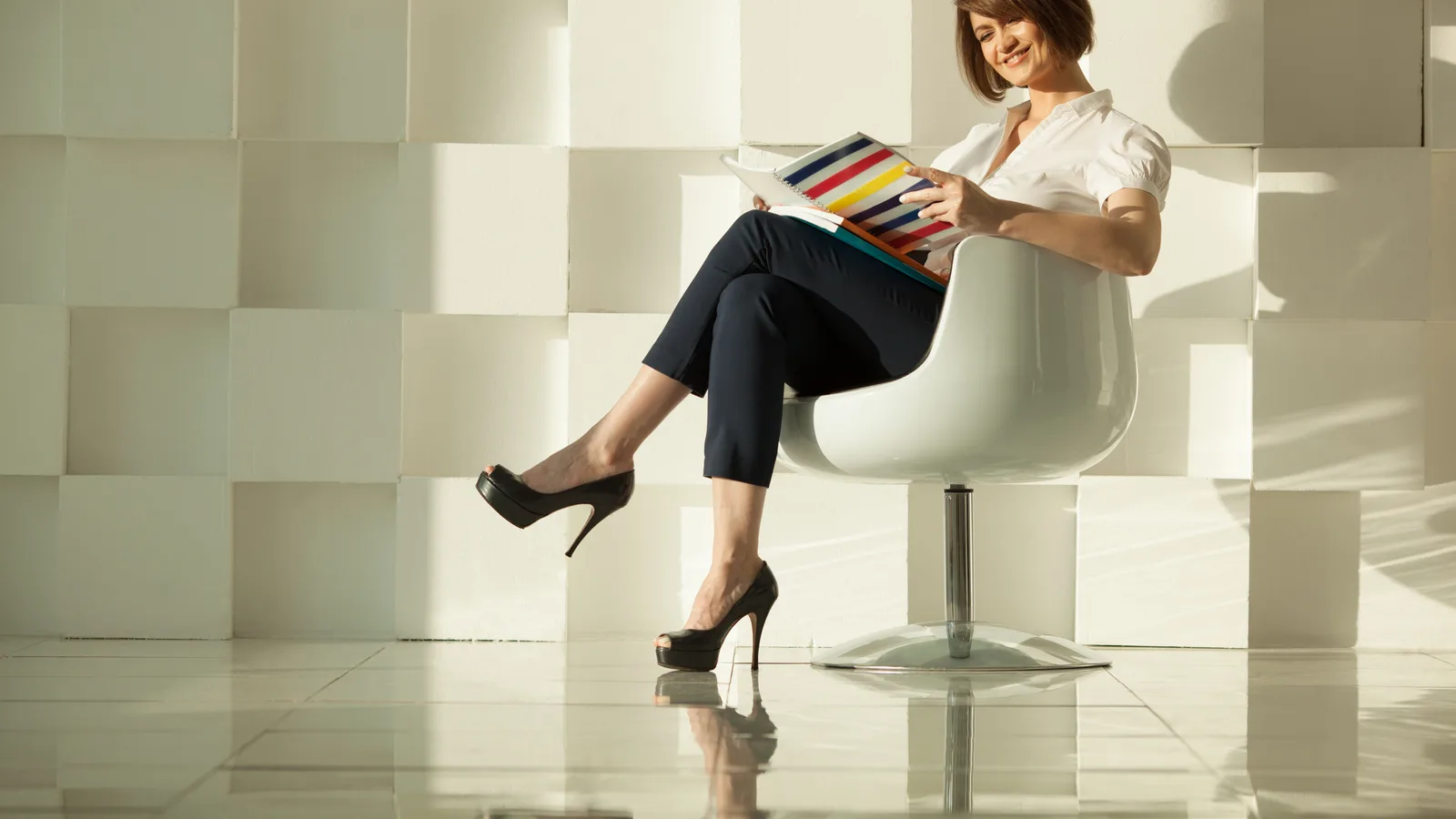
How to Style a Blazer in 6 Steps: From Work to Weekend
Learn how to style a blazer with six practical steps: get the fit right, choose the right shirt and trousers, and dress it up or down for any occasion.
The short answer: fit first, then build the outfit
The fastest way to make a blazer look styled is to get the fit right before you worry about accessories. The shoulder seam should sit at your natural shoulder, the jacket should close without pulling, and the sleeves should end near the wrist bone. Once those points are right, treat the blazer as a frame: choose a simple base layer, a bottom half that balances its length, and shoes that match the occasion.
What you need before you start
- A blazer that fits at the shoulders. Sleeve length and waist can be altered; shoulder width usually cannot.
- A full-length mirror and daylight, or the closest you have to it.
- A base layer you already like: a shirt, a fine-knit top or a plain T-shirt.
- Bottoms that suit the occasion: tailored trousers, straight-leg jeans, a midi skirt or a dress.
- Shoes for the setting, plus a belt if you wear one.
- A clothes brush, a steamer or an iron with a pressing cloth, and a minute to check buttons and hems.
How to style a blazer in 6 steps
1. Check the shoulder and button point
Put the blazer on over the layer you plan to wear. The shoulder seam should end at the edge of your shoulder, not past it. Fasten the top button only on a two-button jacket; on a single-button jacket, fasten that one. If the fabric pulls into an X at the waist, the jacket is too tight; if it hangs away, it is too loose. Note any fixes before you build the rest of the outfit.
2. Choose a base layer that suits the neckline
A crisp shirt gives a formal line; a fine-knit roll-neck or crew neck softens it; a plain T-shirt makes it casual. Keep the neckline clean and avoid too much fabric under the jacket. If you wear a shirt, check that the collar sits inside the jacket collar and the cuffs show about a centimetre beyond the sleeve.
3. Balance the bottom half
The hem of the blazer usually falls around the hip or upper thigh. With wide-leg trousers, choose a closer-fitting top and a shorter jacket line so you do not look swamped. With skinny jeans or slim trousers, a slightly longer blazer adds balance. High-waisted bottoms and a tucked-in top give a clean waistline; a longer shirt worn out can make the jacket look short.
4. Set the shoes and belt to the occasion
Smart shoes, loafers or polished boots support a formal look; clean trainers or flat sandals make the same blazer casual. Match the belt to the shoe colour closely enough that they look related, not necessarily identical. If you are wearing no belt, make sure the waistband is neat and the top is tucked or cropped cleanly.
5. Add one or two finishing touches
Use jewellery, a scarf, a pocket square or a bag to give the outfit a point of view, but keep it to one or two focal points. A simple necklace or pair of earrings is enough with a patterned blazer; a plain blazer can carry a stronger accessory. Roll or push up the sleeves only if the jacket allows it, and keep the cuff neat.
6. Do a final check in daylight
Look at the outfit from the front, side and back. Check that the jacket sits level, the sleeves end near the wrist bone, the pockets are not bulging and there are no loose threads. Sit down and raise your arms: the jacket should not pull across the back or ride up too far. Adjust the base layer or swap the shoes if something feels off, then leave it alone.
Smart-casual, office and evening: the same blazer, three ways
The same jacket can read formal or relaxed depending on what sits underneath and at the hem. Use this as a starting point, then adjust for dress codes and weather.
How the same blazer changes across three settings.
Part of the outfit
Office
- Base layer
- Crisp shirt or fine knit
- Bottoms
- Tailored trousers or a pencil skirt
- Shoes
- Loafers, Oxfords or low heels
- Accessories
- Structured bag, simple jewellery
Smart-casual
- Base layer
- Plain T-shirt or lightweight knit
- Bottoms
- Straight-leg jeans or a midi skirt
- Shoes
- Clean trainers or flat boots
- Accessories
- Cross-body bag, watch, easy scarf
Evening
- Base layer
- Silk camisole, fitted top or fine roll-neck
- Bottoms
- Slim trousers, a slip skirt or a dress
- Shoes
- Heels, polished boots or dressy flats
- Accessories
- Small bag, statement earrings or a fine necklace
A blazer does not have to match its trousers. Navy with grey, black with denim or a checked jacket with a plain skirt can look deliberate as long as the colours relate. If you want a suit-like effect, keep the tones close; if you want contrast, keep the rest of the outfit quiet.
Common mistakes and how to fix them
Most blazer problems come down to fit, proportion or one formal element too many.
Problem
Why it happens
- Shoulders look too wide
- The jacket is a size up or has padded shoulders that extend past your own
- The jacket pulls when buttoned
- The waist is too tight or the base layer is too thick
- The outfit looks top-heavy
- A long, loose blazer over wide trousers or a full skirt adds volume in the wrong places
- Sleeves swallow the hands
- Sleeves are too long or the jacket is oversized
- It feels too formal for daytime
- The shirt, trousers and shoes are all formal at once
The fix
- Shoulders look too wide
- Try a smaller size or a softer shoulder; do not rely on sleeve shortening to fix it
- The jacket pulls when buttoned
- Swap to a finer layer or have the waist let out; leave the jacket open if it cannot be altered
- The outfit looks top-heavy
- Choose a closer bottom, a shorter jacket or a tucked-in top to show the waist
- Sleeves swallow the hands
- Have the sleeves shortened to the wrist bone, or turn them back once if the lining allows
- It feels too formal for daytime
- Keep the blazer and swap one element: a T-shirt for the shirt, or trainers for the heels
If two things feel wrong at once, fix the fit first. Most styling problems disappear when the shoulder, waist and sleeve length are correct.
Fit details worth checking before you alter anything
Use these checks before you spend money on alterations. A good tailor can adjust some areas, but not every problem is fixable.
- Shoulder seam
- Should sit at the edge of your natural shoulder; this is the hardest alteration to make
- Sleeve length
- Ends at the wrist bone, with about 1 cm of shirt cuff showing if you wear a shirt
- Jacket length
- Usually covers the hip or upper thigh; shorter for a modern line, longer for a relaxed look
- Button stance
- Fasten only the top button on a two-button jacket; leave a double-breasted jacket fastened or open as designed
- Vents
- Should lie flat; if they flare open, the jacket is too tight across the hips
- Lining
- Should not twist or pull; check it before you shorten sleeves or take in the waist
How to wear a blazer in cooler weather without bulk
Layering is where blazers often go wrong in cooler months. A thick jumper under a close-fitting jacket will make the shoulders and button point strain. Choose a fine-gauge knit or a lightweight layer, and try the blazer on over it before you decide. If you need a coat, pick one that fits over the blazer without compressing the shoulders; a trench or a straight-cut wool coat usually works better than a bulky puffer. Keep the scarf light and tuck the ends inside the coat rather than under the jacket.
Care that keeps the shape
- Brush the blazer after wearing and hang it on a broad hanger so the shoulders keep their shape.
- Steam lightly instead of pressing sharp creases into the lapels. If you iron, use a pressing cloth and low heat.
- Give wool jackets a day to rest between wears.
- Empty the pockets at the end of the day so they do not stretch out of shape.
- Follow the care label. Many tailored blazers are dry-clean only.
- Store in a breathable garment bag rather than a tight plastic cover.
Blazer styling FAQs
Can I style a blazer with jeans?
Should I button a blazer when standing or sitting?
How should a blazer fit at the shoulders?
Can I wear a blazer with a dress?
What is the difference between a blazer and a suit jacket?
How can I make an oversized blazer look intentional?
Related articles
How to clean silver in 5 steps without damaging it
A safe, step-by-step guide to cleaning silver jewellery and cutlery at home: what to use, what to avoid, and how to keep the shine for longer.
How-To Guides
How to find your style: 5 steps to a wardrobe you love
A practical, no-nonsense guide to finding your personal style: how to audit what you own, pick a palette, get fit right and build outfits you wear.
How-To Guides
How to Layer Necklaces: Build a Balanced, Wearable Stack
Layer necklaces without tangles or clutter: choose the right lengths, space the chains, mix metals with confidence and fix the common problems.
How-To Guides
How to Style Boyfriend Jeans: Relaxed, Never Sloppy
How to style boyfriend jeans so they look relaxed rather than sloppy: fit checks, shoe pairings, tucking tricks and fixes for common problems.
How-To Guides